Services
Discover more about our extensive range of professional services. We constantly update this page, but if you still can’t find what you’re looking for, please feel free to get in touch with us – we will be more than happy to help.

Music Therapy
Overview
In essence, music therapy aims to address non-musical goals through the use of music. The foremost important goal is to establish a trusting and respectful relationship with the individual. Music therapy is a non-threatening medium which engages children, young people and adults. Music therapy can be used to address physical, social, emotional, communication, cognitive, behavioural and musical goals.
What does it involve?
Music therapy can involve a number of techniques including;
- Writing original songs
- Live songs- playing, singing
- Improvisation
- Listening and discussing pre-recorded music
- Relaxation
- Musical games
What does music therapy address?
- Increased connectedness to school, peers and staff
- Increased attendance
- Higher levels of psychological wellbeing and reduced anxiety
- Increased appropriate social interaction with peers and staff
- Reduced levels of aggression and challenging behaviours
- Formation of identity leading to stronger educational and social outcomes at school
- Increased communication skills
- Increased emotional awareness and regulation
- Processing of experiences of trauma
- Increased self-regulation and impulse control
- Enhance resilience
Music therapy is covered by the NDIS.
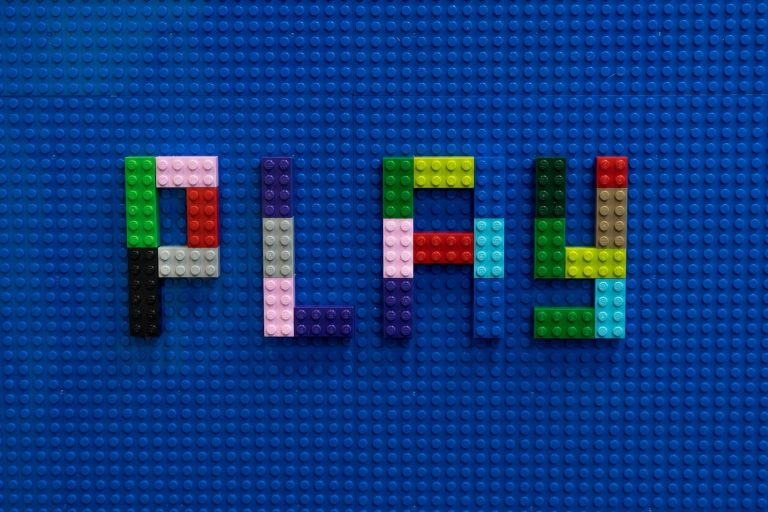
Play Therapy
Overview
Play therapy is designed for children who may find it difficult to express thoughts and emotions verbally. It allows them to explore their feelings, resolve internal conflicts, and improve behaviour in a safe, supportive environment.
What does it involve?
In a play therapy session, a trained therapist uses toys, games, art materials, puppets, or sand trays to help the child communicate through play.
The therapist observes how the child plays, interacts, and expresses themselves, using these behaviours to understand underlying emotional issues or stressors.
Play therapy can help children:
Process difficult emotions such as sadness, anger, fear, or loss
Improve communication and social skills
Develop problem-solving and coping skills
Build confidence and self-esteem
Reduce behavioural challenges
Strengthen relationships with parents and caregivers
Play therapy is covered by the NDIS.

Positive Behaviour Support
Overview
Positive Behaviour Support (PBS) is an evidence-based approach designed to improve quality of life and reduce challenging behaviours by understanding the reasons behind them. It focuses on teaching new skills and adjusting environments rather than punishing behaviour.
Core Principles
- Person-Centred: Interventions are tailored to the individual’s strengths, needs, and preferences.
- Functional Understanding: Behaviour is seen as a form of communication; assessments identify what a person gains or avoids through their behaviour.
- Prevention and Skill Building: PBS emphasizes proactive strategies—teaching functional replacement behaviours and improving coping, communication, or social skills.
- Environmental Adjustments: Modifying triggers or supports in the environment to make positive behaviour more likely.
- Team Collaboration: Involves families, educators, therapists, and support staff working together.
- Data-Driven: Uses ongoing observation and data collection to inform and evaluate interventions.
Goals of PBS
- Promote independence, participation, and inclusion.
- Reduce restrictive practices (e.g., punishment, exclusion).
- Support wellbeing and self-regulation.
- Create safe, supportive learning and living environments.
PBS is covered under the NDIS.

Key Worker
A Key Worker under the National Disability Insurance Scheme (NDIS) — especially in the Early Childhood/Early Intervention (0-9yrs) context — is a dedicated practitioner who acts as a primary point of contact for the child and their family, coordinating supports, delivering therapy-related interventions, and helping the family navigate services.
What a Key Worker does
Builds a relationship with the child and family — getting to know their priorities, the child’s strengths & challenges, their routines and everyday environments (home, kindergarten, daycare).
Coordinates and sometimes delivers therapy and interventions across developmental domains (communication, motor skills, social skills, self-care, routines).
Acts as the main point of contact — reducing the need for the family to deal with many separate therapists for each domain.
Works with other professionals/therapists: even if the Key Worker delivers a lot of the support directly, they liaise with allied health professionals (e.g., speech pathologists, occupational therapists, physiotherapists, psychologists) when specialised input is needed.
Supports families: helps carers understand the NDIS plan, supports implementation of strategies in daily routines, empowers families to embed supports into everyday life.
Monitors progress, reviews goals and adjusts supports as required

Data Analysis
Collecting and examining information about a person’s behaviour to understand why it occurs and to measure how effective interventions are.
Identifies behaviour patterns: helps determine when, where, and why behaviours occur.
Tracks progress: shows whether the support strategies are working over time.
Guides decision-making: allows practitioners to adjust interventions based on evidence.
Supports accountability: demonstrates that interventions are ethical, effective, and person-centred.
Communicates outcomes: provides clear data to families, teachers, therapists, and the NDIS.
Look for patterns – time of day, setting, people, demands, triggers, consequences.
Compare before and after implementing strategies.
Visualise data – line graphs, bar charts, scatterplots, and cumulative graphs to track change.
Interpret trends – is the behaviour increasing, decreasing, or changing form?
Summarise findings – describe progress and make recommendations

Resource Creation
Designing and developing materials, tools, or supports that help individuals learn, communicate, or achieve goals.
Can include;
-Visual supports
-Social stories
-Data tools
-Learning materials